
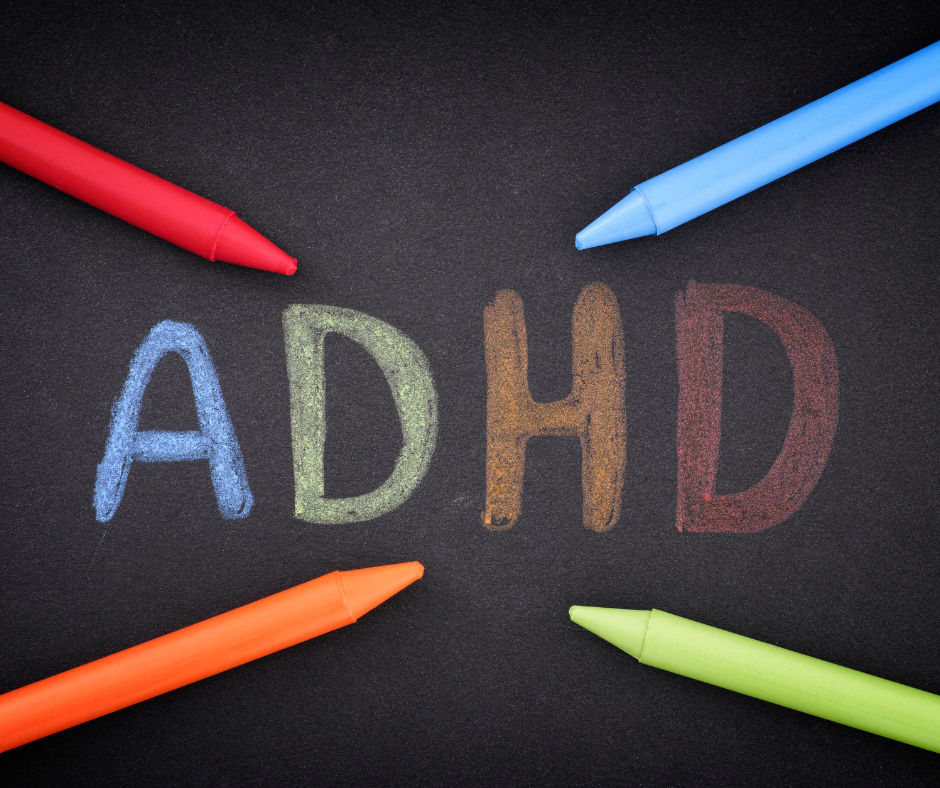
ADHD stands for Attention Deficit Hyperactivity Disorder — a condition characterised by patterns of inattention, impulsivity, and hyperactivity that interfere with functioning. It’s neurodevelopmental, meaning the brain develops differently from early life, particularly in regions involved in attention, executive function, and emotional control.
While many children with ADHD see their symptoms continue into adulthood, some adults are diagnosed later because they managed to “mask” their difficulties — often by overcompensating or working twice as hard as others.
Adult ADHD isn’t about being “scatterbrained” or “hyper.” It affects how people plan, prioritise, start, and complete tasks. It’s linked with challenges in time management, emotional regulation, and self-esteem — often leading to problems at work, in relationships, or in education.
The presentation of ADHD in adults differs from the classic childhood stereotype. Instead of running around or being disruptive, adults often struggle internally with mental restlessness and frustration.
Many adults with ADHD experience intense emotions. They may overreact to small frustrations, experience rejection-sensitivity, or feel overwhelmed by stress.
Executive functions are the brain’s “managerial skills” — planning, organising, remembering, and self-monitoring. People with ADHD often describe their minds as a “browser with too many tabs open.”
Untreated ADHD doesn’t just make someone “a bit forgetful.” It can impact almost every part of life:
Research shows adults with ADHD are more likely to experience burnout, substance misuse, and even traffic accidents due to impulsivity or distraction. The good news? Diagnosis and treatment dramatically reduce these risks.
Several factors contribute:
In London and across the UK, awareness is finally catching up. More adults are being screened and referred for ADHD assessments than ever before.
Diagnosis begins with a detailed evaluation by a psychiatrist, psychologist, or specialist nurse. They’ll look for:
Clinicians often use validated rating scales such as the ASRS (Adult ADHD Self-Report Scale) or Conners’ Adult ADHD Rating Scales (CAARS).
If possible, information from a parent, partner, or school report helps confirm that symptoms started early and occur across contexts.
Some clinics include computer-based tools like the QbTest, which measures attention, impulsivity, and activity to provide quantifiable data.
A detailed report summarises findings, confirming diagnosis and outlining treatment recommendations. This can support applications for university accommodations (DSA) or workplace adjustments under the Equality Act 2010.
ADHD treatment is highly individualised. It may include medication, psychological therapy, coaching, or lifestyle changes — ideally a combination.
Medication remains the most evidence-based treatment for moderate-to-severe ADHD. It helps balance neurotransmitters (dopamine and noradrenaline) that regulate attention and impulse control.
Medication should always be prescribed and monitored by a qualified clinician. It’s about finding the right balance — not erasing personality, but giving control back.
Medication helps with symptoms, but therapy helps manage life.
Even small adjustments can have a huge effect:
| Area | ADHD-Friendly Strategies |
|---|---|
| Sleep | Consistent bedtime, limit screens, use white noise. |
| Nutrition | Protein-rich breakfast, avoid excessive sugar/caffeine. |
| Exercise | Regular physical activity boosts dopamine naturally. |
| Environment | Declutter, use noise-cancelling headphones, structured workspace. |
| Technology | Use reminders, timers, and apps like Todoist or Notion. |
Connecting with others who understand ADHD is powerful. In the UK, ADHD UK, ADDISS, and local adult ADHD groups offer peer support and information.
While both men and women can have ADHD, the condition often looks different in women — and is therefore underdiagnosed. Women tend to internalise their symptoms: they’re more likely to present with inattentive rather than hyperactive traits, and often experience perfectionism, anxiety, or burnout.
Many women are only diagnosed after their children are assessed. Understanding this gender gap is vital for clinicians and families alike.
Common signs in women include:
Diagnosis can be life-changing — turning years of guilt into self-understanding.
It’s rare for ADHD to exist alone. Many adults also experience:
Treatment works best when these are addressed together, not in isolation. For example, managing ADHD can often reduce secondary anxiety caused by chronic overwhelm.
Here are practical, real-world strategies adults with ADHD swear by:
With NHS waiting times for adult ADHD assessment often stretching past a year, many adults are turning to private clinics. Reputable services offer:
When choosing a clinic, always check that it’s CQC-registered, employs qualified psychiatrists, and provides written diagnostic reports acceptable to NHS GPs and institutions.
ADHD brains excel in creativity, problem-solving, and big-picture thinking — when the environment is right. Under the Equality Act 2010, UK employees with ADHD are protected from discrimination and entitled to “reasonable adjustments.”
Common workplace accommodations:
Companies benefit too — diverse minds drive innovation.
Despite better awareness, myths persist:
| Myth | Reality |
|---|---|
| “ADHD is over-diagnosed.” | Many adults remain under-diagnosed; awareness simply means more people get help. |
| “ADHD is caused by bad parenting.” | It’s neurobiological, not behavioural. |
| “Only kids have ADHD.” | 60–70 % of children continue to meet criteria as adults. |
| “Medication is a quick fix.” | It’s one part of a broader management plan. |
Dispelling these myths reduces stigma and encourages people to seek help sooner.
ADHD research is evolving quickly. Areas of innovation include:
As science progresses, ADHD will be recognised not as a deficit, but as a difference — with its own strengths in creativity, adaptability, and intuition.
If you suspect you have ADHD:
Early diagnosis opens the door to treatment, self-acceptance, and new opportunities.
ADHD is not a life sentence — it’s a lifelong journey of understanding yourself. Many successful entrepreneurs, artists, and leaders credit ADHD for their creativity and resilience. Once you learn how your brain works, you can design life around your strengths.
Key takeaways:
Adult ADHD is finally being recognised for what it is: a common, treatable condition that affects millions worldwide. Awareness and treatment can transform lives — turning frustration into focus and chaos into clarity.
If you suspect ADHD, take the first step today. Whether through your GP, a specialist clinic, or a trusted private provider, help is available — and it works.
To arrange an appointment, or to speak in confidence to one of our team, please call us or fill out this form.


